Understanding PTSD: Why is it not just stress?
Here at PTSD: Please Take Someone's Distress (seriously), we believe it is necessary to know the science. Below is a breakdown of the neurobiological differences between everyday stress and PTSD. The next time someone tries to tell you "its just stress," you can be prepared!

What is PTSD?
PTSD is an anxiety disorder, resulting from physical or psychological trauma (Prasad, 2012). As a result of such, the fear system remains overactive (Yehunda, 2000). It is highly necessary that we pinpoint the major differences between normal everyday stress (such as job loss) and an overactive nervous system due to a traumatic event.
According to Prakash et al. (2016) traumatic events that often result in PTSD include:
- Violent assault
- Kidnapping
- War
- Car accidents
- Natural disasters
- Terrorist attacks
NOTE= Your traumatic event not being listed here does not invalidate your experience.
The "normal" stress response:
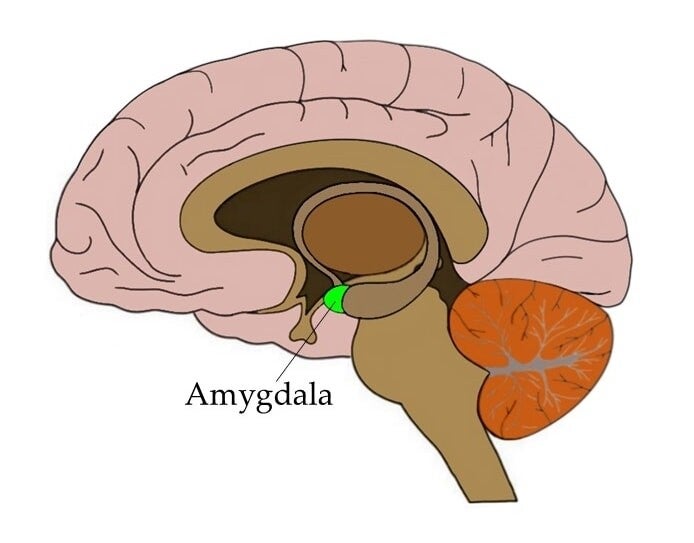
A standard fear response begins with the detection of a stimulus. A part of our brain known as the amygdala, interprets this stimulus, determining whether it is a threat (Yehunda, 2000). In the event of a threat, the amygdala sends a signal to the area of the brain known as the hypothalamus. This region stimulates the release of the hormones adrenaline and noradrenaline. These hormones essentially determine our reaction to this threat. This reaction is often referred to as "fight or flight." Physiological reactions include increased blood pressure and heightened heart rate.
The sympathetic nervous system is the part of the nervous system that is in control of our fear response. The parasympathetic nervous system is responsible for shutting this mechanism down. The amygdala begins to modulate the sympathetic effects. The HPA axis (consisting of the hippocampus, pituitary gland and adrenal glands) further reduces these effects by releasing cortisol. When cortisol levels reach their peak throughout our system,, it alerts the hypothalamus and the pituitary gland that the threat is to be dismissed , and shuts down the fear response (Yehunda, 2000).

Figure X. “Amygdala diagram,” from Marc Dingman, “Know Your Brain: Amygdala,” Neuroscientifically Challenged (2019), https://neuroscientificallychallenged.com/posts/know-your-brain-amygdala
But...
For a sufferer of PTSD, such a response is less likely. Interestingly, cortisol levels are significantly lower in those with PTSD in comparison to people with stress. This is said to be due to the system being overly sensitized. Due the sheer amount of anxiety often undergone by the person following a traumatic event, often the brain shuts down the fear response much earlier to prevent an overreaction. Due to the hypersensitivity of the system, even small amounts of cortisol can result in a full system shut down (Yehunda et al., 1996).
It is highly necessary that we end the stigma that PTSD is "just stress." The two are unrelated biologically unrelated, and such categorization is harmful to those who are affected by such a disorder. PTSD cannot be managed in the same way that stress can
Create Your Own Website With Webador